Tampa, Florida
Posts

Parker Shamblin Software Engineer Portfolio | Java, Python, SQL, and OpenCV

June 4, 2026
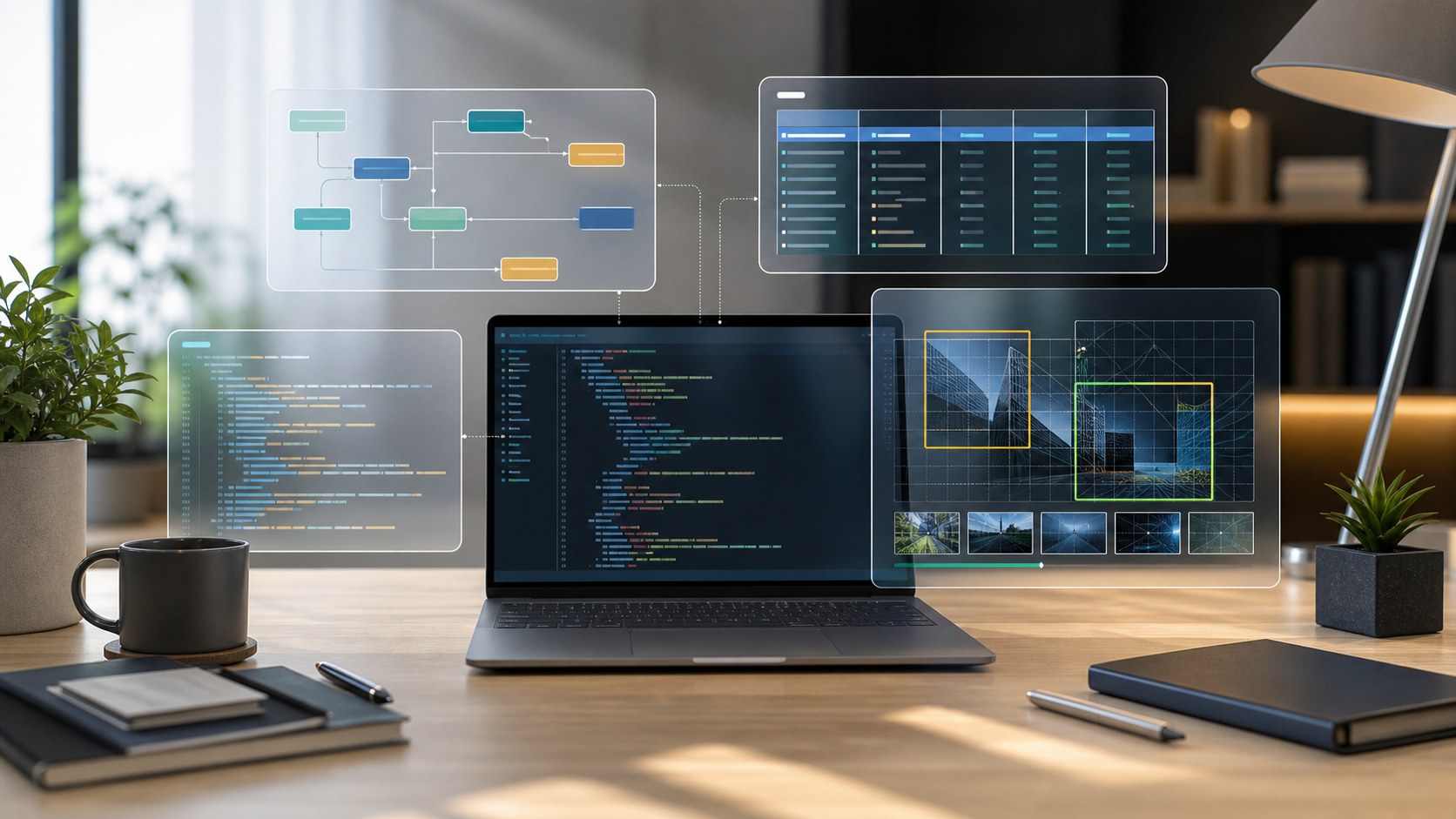
Parker Shamblin software engineering portfolio cover featuring Java, Python, SQL, and OpenCV project themes.
I am Parker Shamblin, a Computer Science student at the University of South Florida. I am building a software engineering portfolio around Java backend development, SQL data modeling, Python, OpenCV, GitHub projects, and clear technical documentation. My goal is straightforward: present projects honestly, explain the engineering decisions behind them, and document the improvements I would make next. A repository matters, but a useful portfolio page should also help another engineer understand the problem, architecture, data flow, tradeoffs, and current limitations. My portfolio work currently centers on three areas:
  • Java backend development with structured application layers
  • SQL databases that model practical workflows
  • Python and OpenCV experiments that turn image input into visible results
These areas give me different kinds of engineering practice. Java and SQL work encourages me to think about request handling, data access, database relationships, validation, and maintainability. OpenCV work encourages me to inspect image inputs, classifier behavior, visible output, debugging assumptions, and measurable next steps. One repository I am documenting presents a Retail Banking and Brokerage Platform learning project using Java, JSP, Jakarta Servlets, JDBC, Oracle XE, and Apache Tomcat. Its documentation outlines public browsing and customer, teller, and manager workflow areas. It also maps those areas to database records such as account activity, transfers, trade orders, approvals, watchlists, and portfolio records. The useful part of the project is the opportunity to explain how a multi-page Java web application can separate presentation, request handling, data access, and database logic in a readable way. Another repository in my portfolio describes a Python and OpenCV experiment built around a cascade-classifier workflow and desktop-window capture for object detection in a game environment. Computer vision is useful for learning because the feedback is visible. When a detection is wrong, I can inspect the input image, classifier output, surrounding conditions, and assumptions in the pipeline. I keep the project framed as an experiment with documented limitations and a backlog of measurements to collect honestly. I want each portfolio project to answer practical questions:
  1. What problem does this project explore?
  2. Which technologies does it use?
  3. How does data move through the system?
  4. What design decisions are visible in the code?
  5. Which limitations still need work?
  6. Which measurements should be collected next?
For backend work, that can mean architecture notes, schema diagrams, screenshots, and a straightforward setup guide. For computer vision work, that can mean pipeline diagrams, sample inputs, reviewed output, known constraints, and a measurement backlog. Clear documentation helps another engineer evaluate the work, and it helps me see what I understand well enough to explain.
On this page